[give_form id="19690"]

Your Kegel Exercise Device Options

Your Kegel Exercise Device Options

The use of Kegel exercise devices is increasing in popularity as more women and healthcare professionals are having open conversations about personal experiences with bladder leaks, the importance of pelvic floor health, and the prevalence of urinary problems in women. These devices are a great option for women who want to address a bladder problem or just continue to maintain a healthy pelvic floor.

But how much do these pelvic floor exercise devices cost, do they really work, and which type is best for your specific needs and lifestyle? We will answer these questions and more so you can make an informed decision about the right Kegel exercise machine or device for you.

What are Kegel exercise devices?

Kegel exercises (aka Kegeling) are one of the most important things you can do to improve reproductive and urinary health. By identifying and isolating your pelvic floor muscles, then exercising these muscles through a series of contractions, you are conditioning your pelvic floor. The improved muscle tone can mean longer time between trips to the bathroom, fewer leaks, speedier recovery from childbirth, and possibly more intense orgasms.

As simple as pelvic floor exercises may sound, many women struggle to do them correctly or fail to create a consistent routine for performing the exercises daily. In recent years, Kegel exercise devices have increased in popularity as a way to provide extra help to those that struggle to perform Kegels correctly for frequently enough.

Within the pelvic floor device category, not all products are equal, and only some have been cleared by the FDA to treat incontinence. They also vary greatly in where they are placed and how they work.

Kegel Weights

Vaginal Weights

These smooth weights are placed in the vagina. You simply squeeze your pelvic floor muscles to keep the weight from falling out.  Jade eggs were used for this purpose in Ancient China and are still available today.  There are now variations on this original form (cones, balls, double bulbs) and some have a string or tether to aide in removal.  Women can wear them from a few hours to all day.

  • Pros: Weights are cheap and easy to use, with only slight discomfort.

  • Cons: Weights should be cleaned thoroughly after every use to prevent infection. They require some conscious effort to keep them in place, so not surprisingly, humorous stories abound of weights dropping out of ladies’ skirts at inopportune times!

Biofeedback Devices

Biofeedback devices monitor how well a women is squeezing her pelvic floor muscles, and provide feedback on whether she is squeezing the correct muscles, and how hard she is squeezing.  These devices are often called “trainers.”  A probe is placed in the vagina and the user squeezes her pelvic floor muscles, often according to a programmed routine. They may be as simple as an air pressure gauge, but more modern designs include an electronic sensor that communicates with a “fun” mobile app.  Devices such as Elvie, Kegel Smart and KGoal are some of the more common brands.
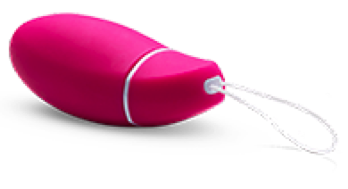
Biofeedback Device
  • Pros: Relatively inexpensive.  New digital models “coach” the women through each session and record her progress

  • Cons: Must be cleaned thoroughly to prevent infection. Require privacy and dedicated time.  You only get out of it what you put in (i.e. you still do all the work). Fit may be an issue.  These are not FDA-cleared to treat incontinence.

Electrical Stimulation – Vaginal

Electrical stimulation may sound scary, but it has been used for more than forty years to treat incontinence.  These products delivery small electrical currents to “activate” muscles, similar to how electric impulses from the brain activate muscles.  A probe is placed in the vagina and delivers a pre-set program that does Kegel exercises for the user.  Some current models are FDA cleared for at-home use, eliminating the need for visits to the clinician’s office.
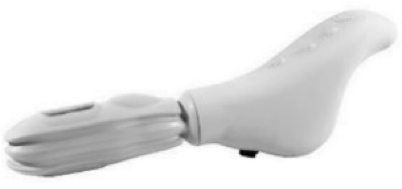
Electric Stimulation - Vaginal
  • Pros: Automatically contracts the correct muscles; does the exercises longer and stronger than the user could likely do on her own.  Most are FDA-cleared to treat stress incontinence.

  • Cons: Because these vaginal devices are active, they may feel more invasive than the biofeedback devices. They should be cleaned well to prevent infection. Their use requires privacy and dedicated time. Fit may be an issue.

Electrical Stimulation – External

Several externally applied electrical stimulation devices have recently been cleared by the FDA.  Much like the vaginal electrical stimulation devices, these products exercise the pelvic floor muscles, but deliver the stimulation through the skin, without a vaginally inserted component.  They can be used at home, and some can be discreetly worn under clothing.
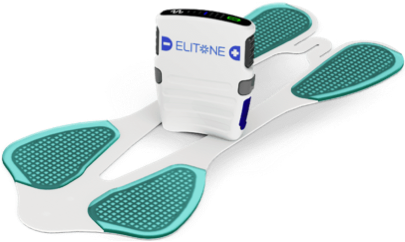
Electric Stimulation External
  • Pros: Automatically contracts the correct muscles; does the exercises longer and stronger than the user could likely do on her own. They are FDA-cleared to treat incontinence.  Wearable, so it allows one to walk around and do other things.

  • Cons: Potential for skin irritation.  Some are configured as bike shorts that need to be sized correctly to be effective.

Getting the Most Out of Your Pelvic Floor Device

If you decide that a device is right for you, it’s important that you make the most of your investment.

  • Suffer from stress incontinence? Choose a device that has been FDA cleared to treat your symptoms.

  • Keep in mind that medications, injectables, and implantables primarily treat urge incontinence and may not affect the pelvic floor muscles.

  • If you have an aversion to placing an object into your “nether regions” (aka vaginal insertion), opt for a device that is applied externally.

  • Live a busy life with little to no alone time? Consider an option that is discreet and allows you the freedom to move around while you treat.

ELITONE® Kegel Exercise Device & Stress Incontinence Treatment

If you’re ready to try a Kegel device that’s non-vaginal and FDA cleared to treat stress incontinence, consider ELITONE. It’s clinically proven to reduce (and possibly eliminate) leaks in as few as 6 weeks.

Designed specifically for women by a woman, ELITONE can be worn under your clothing, so you can do other things, including walking the dog and cooking dinner, while receiving your short 20-minute treatment.

ELITONE stress incontinence treatment:

  • Performs 100 muscle contractions per session.

  • 95% of Gynecologists would recommend it to patients.

  • 95% of women that have used it report having fewer leaks. Leaks per day were reduced by 71% on average in a short 6 week study.


Learn more about ELITONE here.

Comments

7 Responses

  1. Great insights on Kegel exercise devices! I didn’t realize there were so many options available. The comparison between the different types really helped me understand what might work best for my needs. Thanks for sharing!

  2. Can I use an electrical pelvic floor stimulation device if I have a metal knee joint implant?

  3. I had no idea there were so many different Kegel exercise devices available! As a new mom, I’m definitely interested in trying out the We-Vibe Tango to help with my postpartum recovery. Thanks for sharing this informative post!

  4. How do I get my Medicaid insurance to pay for the Elitone starter kit I live in Rochester NY

Leave a Reply

Your email address will not be published. Required fields are marked *

This site uses Akismet to reduce spam. Learn how your comment data is processed.

Related Articles

A confident woman in a suit sits at a desk, embodying the role of a health advocate, with text about a podcast offering tips for managing urinary incontinence at work. The Life Without Leaks podcast logo and Listen Now message are also visible.

Showing incontinence who’s the boss in the workplace

Managing urinary incontinence is challenging enough, but bladder leaks, sudden urgency and frequent trips to the restroom can be especially stressful when you’re trying to get through a busy workday.

In this episode, we share practical strategies for managing bladder symptoms on the job, whether you’re commuting to an office, sitting through a long meeting, working from home or navigating a packed schedule. We’ll talk about bladder training and bathroom planning, hydration and potential bladder triggers, keeping a bladder diary, preparing for unexpected leaks, choosing incontinence products, staying active and more.

A group of six smiling adults takes a selfie outdoors in a grassy area, with trees and a road in the background. Everyone appears happy and relaxed, enjoying each other’s company—there’s no sign anyone is worried about a UTI, just laughter and good times shared among friends.

Why Bladder Health Matters More as We Age

Aging and the Bladder: What Changes?
As we grow older, the urinary system naturally undergoes changes that can affect bladder function.
Common age-related changes include:
Reduced bladder capacity
Increased bladder sensitivity
Changes in pelvic floor muscle strength
Hormonal changes, particularly after menopause
Enlarged prostate in men
Increased prevalence of chronic conditions such as diabetes, stroke, and neurological disorders
These changes can contribute to symptoms such as:
Urinary urgency
Frequent urination
Overactive bladder (OAB)
Urinary incontinence
Nocturia (waking at night to urinate)
While these symptoms become more common with age, they should never be viewed as something people simply have to live with.
The Hidden Connection Between Bladder Problems and Falls
One of the most overlooked consequences of bladder symptoms in older adults is an increased risk of falling.
Many falls occur during urgent trips to the bathroom, particularly at night. An individual may wake suddenly with a strong urge to urinate, rush through a dark room, become dizzy when standing, or trip over furniture, rugs, or other obstacles.
Research has shown that urinary urgency, frequency, and nocturia are associated with a higher risk of falls and fractures in older adults.
For seniors, a fall can have life-changing consequences, including:
Broken bones
Head injuries
Hospitalization
Loss of independence
Reduced mobility
Increased risk of future falls
In many cases, addressing bladder symptoms can be an important part of a comprehensive fall-prevention strategy.
How Nocturia Impacts Healthy Aging
Waking multiple times each night to urinate is more than a sleep disturbance.
Nocturia can contribute to:
Daytime fatigue
Reduced concentration
Memory difficulties
Mood changes
Increased fall risk
Lower overall quality of life
Older adults who experience frequent nighttime bathroom trips often report feeling less energetic and less able to participate in activities they enjoy.
Protecting sleep is an important part of protecting overall health.
The Emotional Impact of Bladder Leaks
Many older adults quietly manage bladder leakage without discussing it with family members or healthcare providers.
Unfortunately, untreated bladder symptoms can lead to:
Social withdrawal
Anxiety
Depression
Reduced physical activity
Fear of leaving home
Loss of confidence
Some people stop exercising, traveling, attending social events, or spending time with friends because they worry about finding a bathroom or experiencing leakage in public.
The result can be a cycle of isolation that negatively affects both physical and mental health.
Healthy Aging Includes Bladder Health
The good news is that many bladder conditions can be improved or successfully managed.
Treatment options may include:
Pelvic Floor Muscle Training
Strengthening the pelvic floor muscles can help improve bladder control and reduce leakage.
Bladder Training
Scheduled voiding and urge-suppression techniques may help reduce urgency and frequency.
Lifestyle Modifications
Small changes can make a meaningful difference, including:
Managing constipation
Maintaining a healthy weight
Limiting bladder irritants when appropriate
Staying physically active
Monitoring fluid intake patterns
Medical Treatments
Depending on the cause of symptoms, treatment options may include:
Medications
Neuromodulation therapies
Vaginal estrogen for postmenopausal women
Prostate treatments for men
Surgical interventions in select cases
Fall Prevention Tips for Older Adults with Bladder Symptoms
If urgency or nighttime bathroom trips are a concern, consider these safety measures:
Keep pathways clear of clutter
Use nightlights between the bedroom and bathroom
Wear supportive, non-slip footwear
Install grab bars when appropriate
Rise slowly from bed to avoid dizziness
Discuss medications with your healthcare provider
Seek evaluation for persistent bladder symptoms
Addressing both bladder health and home safety can significantly reduce fall risk.
A Conversation Worth Having
Too often, people assume bladder leakage is simply the price of getting older. The reality is that while bladder problems become more common with age, they are not an inevitable part of aging.
National Senior Citizens Day reminds us that healthy aging means more than managing chronic diseases—it means preserving independence, confidence, mobility, and quality of life.
If bladder symptoms are interfering with sleep, daily activities, or peace of mind, don’t ignore them. Talk with a healthcare provider and explore your options. Effective treatments and management strategies are available.
Because aging well isn’t just about adding years to life—it’s about adding life to those years.

A person wearing an orange cardigan and white pants sits on a couch, clutching their stomach with both hands, appearing to be in discomfort or pain—perhaps a sign that attending to gut health is more important than ever.

UTI and Your Period: What You Need to Know

If you menstruate, experiencing a UTI while on your period can be an uncomfortable experience.
While a menstrual period may bring pain, pelvic pressure, and make you feel like you need to urinate more, a UTI can tack on additional symptoms.
Feeling a sudden, strong urge to use the restroom, burning when you pee, noticing cloudy urine, or pain that feels different than your usual cramps shouldn’t be ignored.

Keep reading to find out the relationship between UTIs and your period. Plus, learn what to do if you suspect you may have a urinary tract infection during your cycle.

A confident woman in a suit sits at a desk, embodying the role of a health advocate, with text about a podcast offering tips for managing urinary incontinence at work. The Life Without Leaks podcast logo and Listen Now message are also visible.

Showing incontinence who’s the boss in the workplace

Managing urinary incontinence is challenging enough, but bladder leaks, sudden urgency and frequent trips to the restroom can be especially stressful when you’re trying to get through a busy workday.

In this episode, we share practical strategies for managing bladder symptoms on the job, whether you’re commuting to an office, sitting through a long meeting, working from home or navigating a packed schedule. We’ll talk about bladder training and bathroom planning, hydration and potential bladder triggers, keeping a bladder diary, preparing for unexpected leaks, choosing incontinence products, staying active and more.