Search
[give_form id="19690"]

Opening Up About Pelvic Organ Prolapse

This is a guest post from Betty Heath, of The Rejoicing Soul.

During the past twelve years I have shared much of my life’s journey with you. Well, today I am coming out of the closet.  Stunning isn’t it? I was recently diagnosed with Pelvic Organ Prolapse. How many of you can identify with me? The current estimate of the number of women in the U.S. with this condition is approximately 4.3 million. According to a recent study by the World Health Organization, guestimates indicate that there are 36 million women worldwide with this condition. The reality is that it is difficult to know what the real numbers are because women are reluctant to talk about it or be treated for it.

Pelvic Organ Prolapse (POP) is quite common among today’s female population. Many women have the symptoms but because they are embarrassed to discuss them with anyone they suffer in silence.  POP can occur when the pelvic floor muscles weaken and one or more organs shift out into the vaginal canal and even bulge outside of the body.

My journey with POP began sometime in the spring of 2016. I began having symptoms of POP which include pressure, pain, and/or fullness in the vagina or rectum or both; sensation of ‘your insides falling out’; bulging in the vagina; severe back pain and incontinence. Every time I went for a walk or even sneezed I thought my insides were going to fall right out onto the ground. I began staying home more often and said little about it to my friends. At first, I attributed these symptoms to old age and laughed them off. After all, I am approaching the ripe old age of 80. We hear and see so many TV ads regarding incontinence and because the causes are never addressed we become oblivious to what they might be.

This past fall I finally decided I didn’t want to spend the rest of my life worrying about my insides falling out and was tired of dealing with this issue so I made an appointment with a gynecologist. After the initial exam, I was referred to Dr. Alexander Shapiro who is a specialist gyn/urologist in Denver. That exam took place in early December and was one hour and thirty minutes.

After the exam I told him I never dreamed I would be sitting in a gyn/urologist’s office at the age of 79. He smiled and replied, “We do have ways to keep popping up in your lives, don’t we.”  I then told him this was the most disgusting, gross thing that had ever happened to me. He said, “Right now your insides are a total mess. This is a very intimate surgery and is a major surgery. This is who you are right now and you can’t allow this to define your life. I promise you I can repair the damage and relieve the pain and discomfort”.

The four-hour surgery took place on Monday, January 30. I told my physician that most women my age are having facelifts and here I was having a butt lift. I went home Tuesday and Wednesday as I was having breakfast I suddenly realized that the fullness/pressure feeling and the back pain I had prior to surgery were totally gone. Oh, what a relief it is. I cried tears of joy. I’ve experienced minimal pain with this surgery.

Today, if you are a woman reading this (or a man who has a woman in your life with this condition) I urge you to make an appointment to at least talk with your physician about your problem. There is help and hope for women with POP. New treatment options evolve daily to control, improve, and repair this cryptic health condition.

Join with me in taking Pelvic Organ Prolapse out of the closet and making it common knowledge for women of all ages. Don’t allow this condition to define who you are or how you live your life.  Don’t wait! Call for your appointment today.
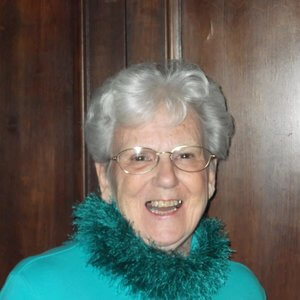

Betty HeathBetty Heath

About The Author:  Betty Heath lives in Colorado with her husband. She is “retired from work, but not from living”, and has a weekly column called “As I See It”, which appears each Sunday in the Longmont Times-Call, owned by the Denver Post. She enjoys writing, cooking, gardening, and quilting. Betty also volunteers in the St. Vrain Valley School District, helping students learn how to write from their heart. For the past six years, she and her husband have volunteered as Santa and Mrs. Claus for the Holiday Festival in the Carbon Valley. You can read more from Betty at her blog, The Rejoicing Soul.

Comments

Leave a Reply

Your email address will not be published. Required fields are marked *

This site uses Akismet to reduce spam. Learn how your comment data is processed.

Related Articles

Five women of varying ages stand close together, smiling and laughing. The text discusses vital conversations on health—from postpartum to incontinence after prostate cancer surgery—on the Life Without Leaks NAFC podcast.

From Postpartum to Postmenopause: The Conversations Women Need to Have

In this episode of Life Without Leaks, we’re joined by Dr. Barbara Frank of Harvard Medical School and Brigham and Women’s Hospital, along with Alex Fennell, co-founder of Attn: Grace, an innovative manufacturer of incontinence products.

Together, we explore the realities of bladder leaks and pelvic floor health during pregnancy, postpartum recovery, perimenopause and menopause, and we discuss why more women are finally beginning to talk more openly about their experiences.

The conversation covers:
• The connection between hormones, menopause and bladder leaks
• Why pelvic floor therapy is having a major moment
• The surprising relationship between pelvic floor tension and incontinence
• How products can impact skin health, comfort and UTIs
• The truth about hormone replacement therapy
• Why community and conversation matter so much in women’s health

Alex also shares the story behind Attn: Grace and the company’s mission to create cleaner, plant-based incontinence products designed to support women with comfort, dignity and confidence.

Whether you’re navigating postpartum recovery, menopause symptoms or simply looking to better understand pelvic health, this episode offers expert insights, practical advice and an encouraging reminder that no one should feel alone in these experiences.

A person sitting on a beige bath mat is placing an incontinence pad into their underwear for skin protection. A box labeled Attn: Grace with blue designs sits on the mat nearby.

Ask The Expert: From A Doctor’s Perspective What Are Some Common Questions You Hear?

If you’ve ever sneezed and held your breath hoping for the best, you’re not alone. Bladder leaks, pelvic floor issues, and the constellation of symptoms that go with them are incredibly common — and incredibly under-discussed. We sat down with two of our favorite experts who are changing the bladder leak conversation: Dr. Barbara Frank, Attn: Grace medical advisor and board certified OB/GYN, and Dr. Sara Reardon, pelvic floor physical therapist (and the woman your pelvic floor has been waiting to meet). They took turns asking each other the questions their patients ask most — and answered them with the same candor they bring to the exam room. They cover everything from how to prepare for postpartum, to what question to ask your own pelvic floor PT, to how to manage incontinence during menopause. This is a knowledge drop you don’t want to miss.

Two older women smiling and walking together on a sunny neighborhood sidewalk, one holding a coffee cup. Both enjoy the confidence provided by discreet incontinence products for women. Trees and houses line the street in the background.

How Aging Changes Bladder Control — What Most People Don’t Expect

As an RN who’s worked in geriatrics for over 14 years, I know first hand that changes in bladder control can be a common part of aging. However, what I’ve also learned is that the treatment and management of these changes differ depending on whether they are due to aging or other conditions.
If you’re experiencing more frequent trips to the bathroom or sudden, intense urges to urinate, you might be wondering what is going on and what you can do about it. Let’s talk through some of the changes that might be going on in your body and how you can be better prepared to manage your bladder control.

Five women of varying ages stand close together, smiling and laughing. The text discusses vital conversations on health—from postpartum to incontinence after prostate cancer surgery—on the Life Without Leaks NAFC podcast.

From Postpartum to Postmenopause: The Conversations Women Need to Have

In this episode of Life Without Leaks, we’re joined by Dr. Barbara Frank of Harvard Medical School and Brigham and Women’s Hospital, along with Alex Fennell, co-founder of Attn: Grace, an innovative manufacturer of incontinence products.

Together, we explore the realities of bladder leaks and pelvic floor health during pregnancy, postpartum recovery, perimenopause and menopause, and we discuss why more women are finally beginning to talk more openly about their experiences.

The conversation covers:
• The connection between hormones, menopause and bladder leaks
• Why pelvic floor therapy is having a major moment
• The surprising relationship between pelvic floor tension and incontinence
• How products can impact skin health, comfort and UTIs
• The truth about hormone replacement therapy
• Why community and conversation matter so much in women’s health

Alex also shares the story behind Attn: Grace and the company’s mission to create cleaner, plant-based incontinence products designed to support women with comfort, dignity and confidence.

Whether you’re navigating postpartum recovery, menopause symptoms or simply looking to better understand pelvic health, this episode offers expert insights, practical advice and an encouraging reminder that no one should feel alone in these experiences.