



Severe Ulcerative Colitis at 26: Olivia’s Fight for Remission
In this deeply personal episode of Life Without Leaks, we speak with Olivia about her life-altering battle with severe ulcerative colitis.
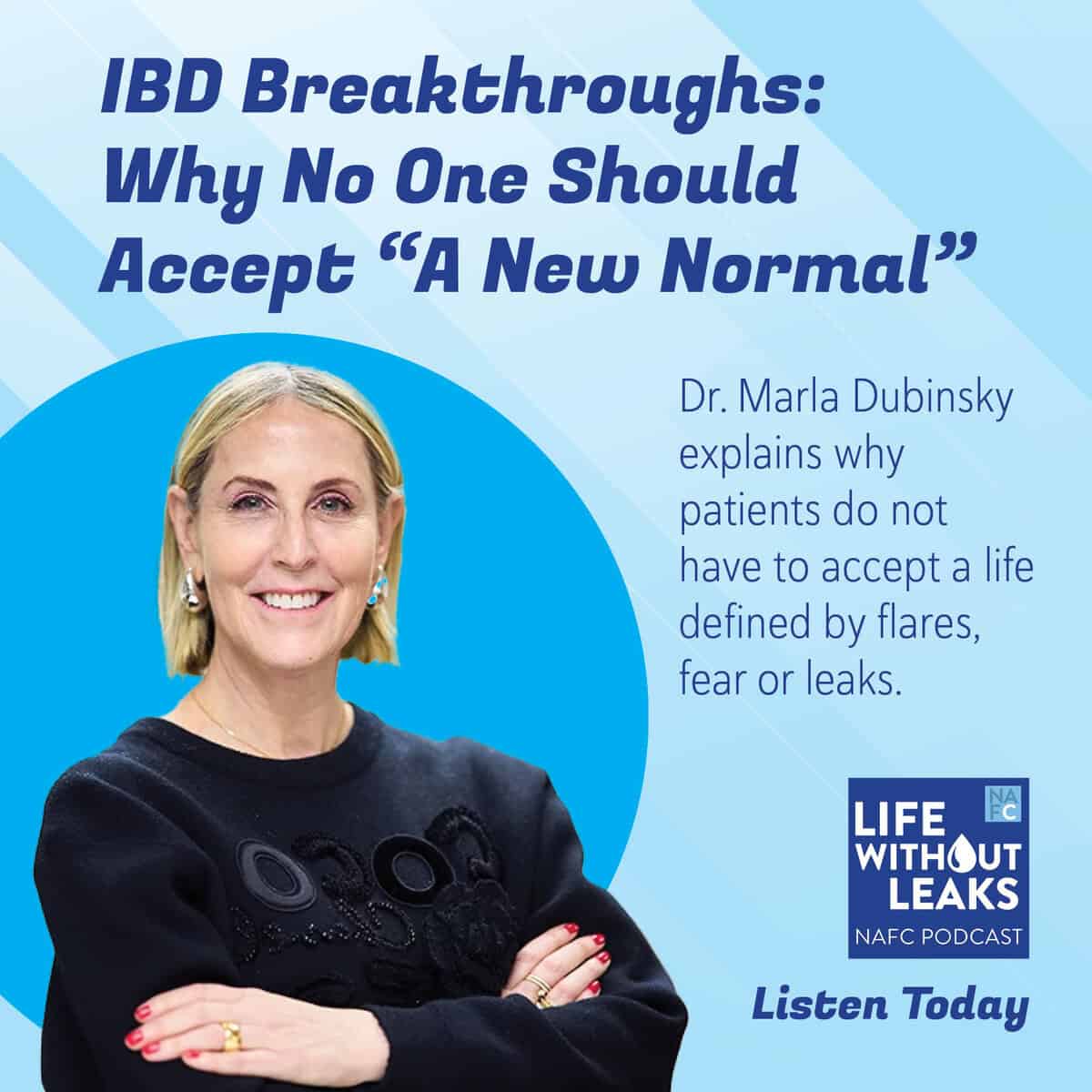
IBD Breakthroughs: Why No One Should Accept a ‘New Normal
In this powerful episode of Life Without Leaks, we welcome world-renowned IBD expert Dr. Marla Dubinsky of Mount Sinai to discuss the rapidly evolving landscape of Crohn’s disease and ulcerative
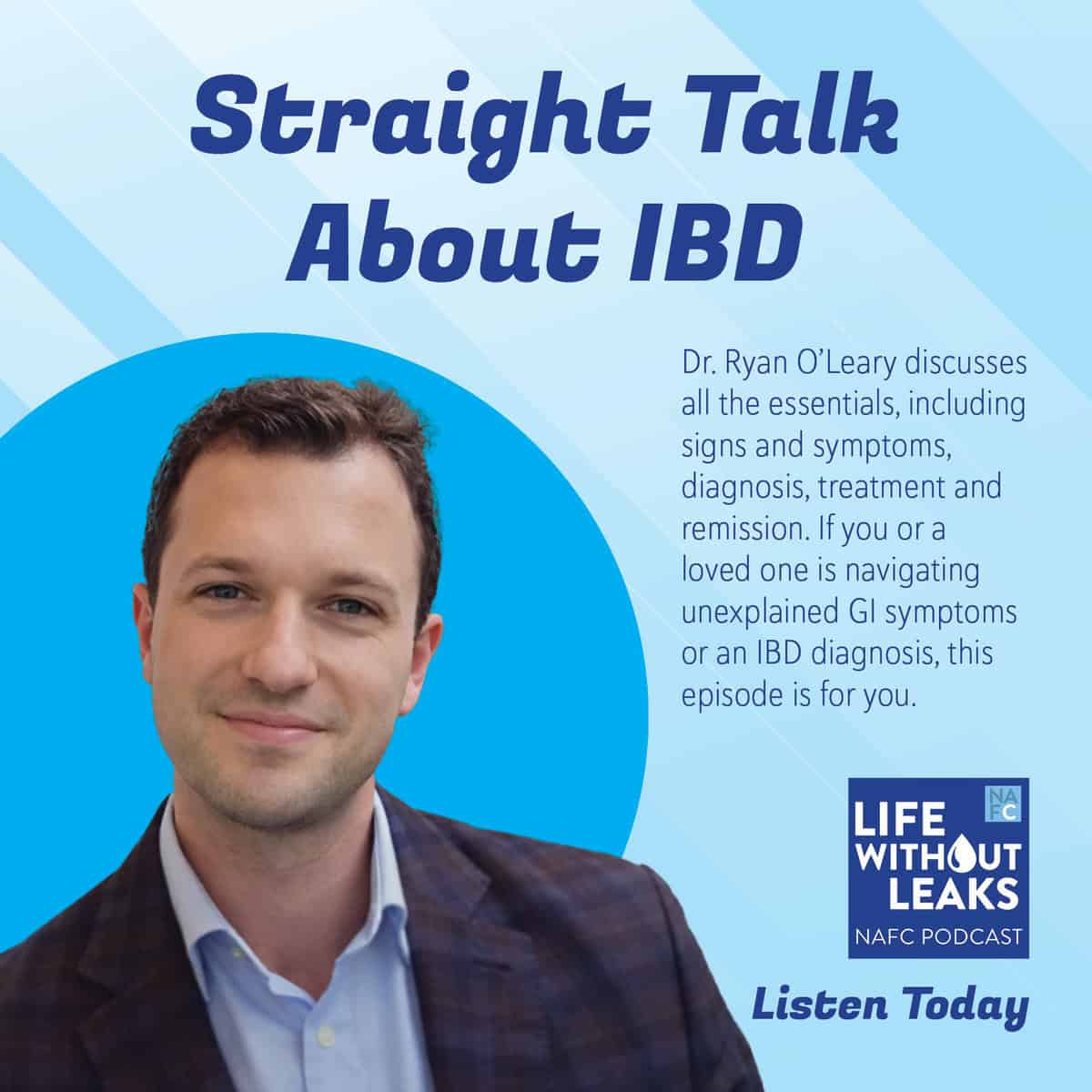
Understanding IBD: From Diagnosis to Remission… What You Need to Know – Copy
In this episode of Life Without Leaks, we’re joined by Dr. Ryan O’Leary, advanced fellow in inflammatory bowel disease, for a deep dive into inflammatory bowel disease (IBD).
Dr. O’Leary

A Life Without Falls
Did you know that one in six people in the US are 65 years or older? With a growing older population, falls have become a major concern. Learn how managing incontinence can help reduce the risk of falls and improve overall senior health.

Incontinence & Intimacy: Reconnecting After Bladder Leaks
For many people, sex and intimacy is about far more than physical closeness. It’s about confidence, connection, vulnerability, and feeling comfortable in your own body.
When urinary incontinence enters the picture, those feelings can quietly change.
While often discussed as a physical condition, incontinence can deeply affect emotional well-being and romantic relationships, something many people experience but few talk about openly.

Incontinence by the Numbers
How common it is, why it’s increasing, and what an aging population means for patients and families
Incontinence is often treated as something people should keep private — but the reality is that it’s extremely common, and it affects millions of Americans every day.
As our population ages, especially with Baby Boomers entering older adulthood, more people are living with bladder and bowel control problems. That means more patients seeking answers, more caregivers providing support, and greater impact on families and the healthcare system.
Understanding the numbers helps reduce stigma — and reminds people that they are not alone and help is available.

How To Stop Waking Up At Night To Pee
Want to stop frequent urination at night? Follow these five tips to stop waking up at night to pee.

How Do I Know If I Have A UTI Or A Kidney Infection?
It may feel like all urinary tract infections (UTIs) are the same – they all feel pretty uncomfortable! But a UTI can occur anywhere within

Incontinence by the Numbers
How common it is, why it’s increasing, and what an aging population means for patients and families
Incontinence is often treated as something people should keep private — but the reality is that it’s extremely common, and it affects millions of Americans every day.
As our population ages, especially with Baby Boomers entering older adulthood, more people are living with bladder and bowel control problems. That means more patients seeking answers, more caregivers providing support, and greater impact on families and the healthcare system.
Understanding the numbers helps reduce stigma — and reminds people that they are not alone and help is available.