



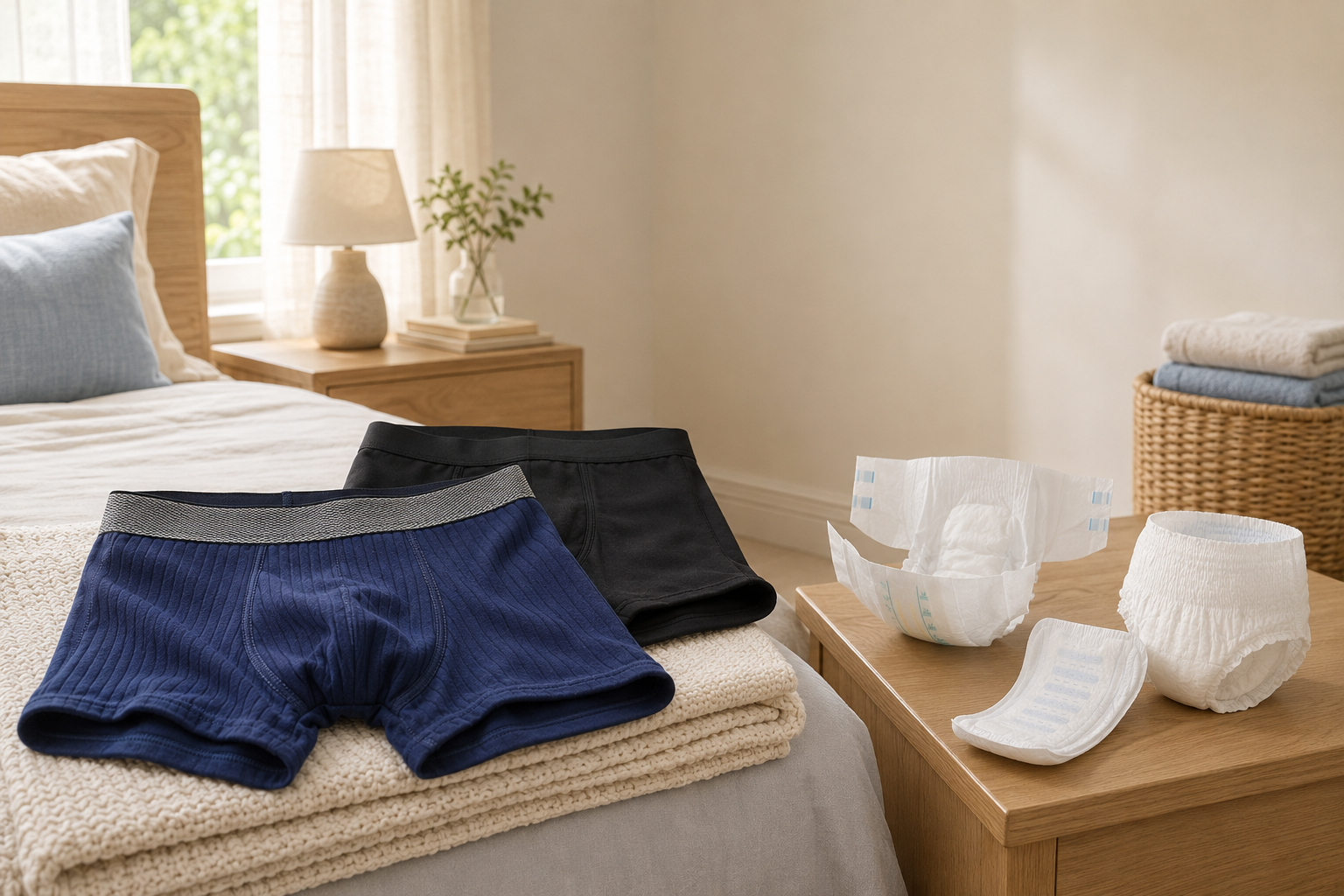
How to Choose the Best Incontinence Products: A Complete Comparison
Bladder control problems are common in both men and women, yet most people are left scratching their head at the pharmacy shelf, overwhelmed by options. The right choice usually depends on many factors like the type/level of leakage, mobility, daily routine and more.
That’s a lot to weigh in on, so some direction can be helpful. Drawing from hands-on care experience, this guide compares the six main product types so you can get the best incontinence products to suit your needs.
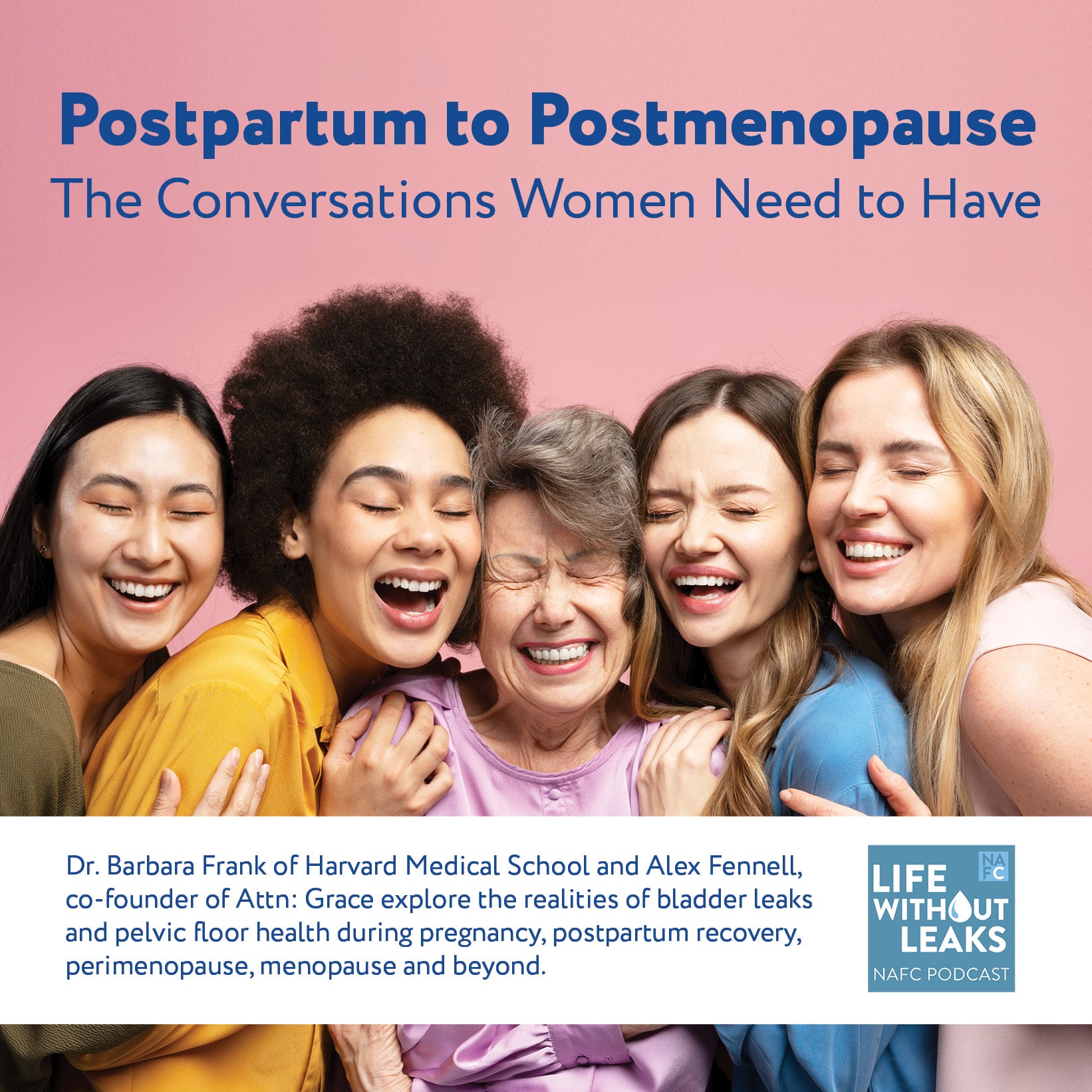
From Postpartum to Postmenopause: The Conversations Women Need to Have
In this episode of Life Without Leaks, we’re joined by Dr. Barbara Frank of Harvard Medical School and Brigham and Women’s Hospital, along with Alex Fennell, co-founder of Attn: Grace, an innovative manufacturer of incontinence products.
Together, we explore the realities of bladder leaks and pelvic floor health during pregnancy, postpartum recovery, perimenopause and menopause, and we discuss why more women are finally beginning to talk more openly about their experiences.
The conversation covers:
• The connection between hormones, menopause and bladder leaks
• Why pelvic floor therapy is having a major moment
• The surprising relationship between pelvic floor tension and incontinence
• How products can impact skin health, comfort and UTIs
• The truth about hormone replacement therapy
• Why community and conversation matter so much in women’s health
Alex also shares the story behind Attn: Grace and the company’s mission to create cleaner, plant-based incontinence products designed to support women with comfort, dignity and confidence.
Whether you’re navigating postpartum recovery, menopause symptoms or simply looking to better understand pelvic health, this episode offers expert insights, practical advice and an encouraging reminder that no one should feel alone in these experiences.
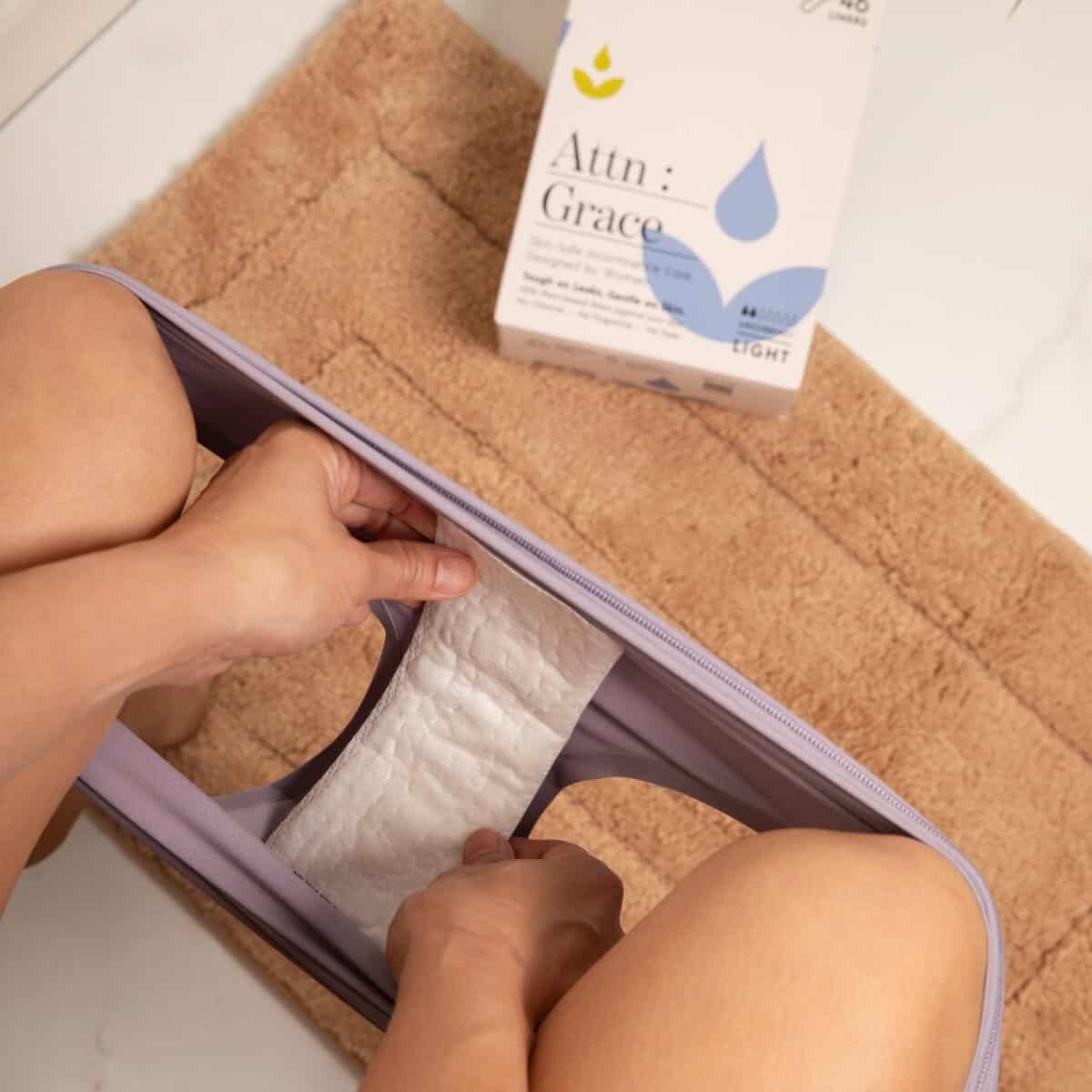
Ask The Expert: From A Doctor’s Perspective What Are Some Common Questions You Hear?
If you’ve ever sneezed and held your breath hoping for the best, you’re not alone. Bladder leaks, pelvic floor issues, and the constellation of symptoms that go with them are incredibly common — and incredibly under-discussed. We sat down with two of our favorite experts who are changing the bladder leak conversation: Dr. Barbara Frank, Attn: Grace medical advisor and board certified OB/GYN, and Dr. Sara Reardon, pelvic floor physical therapist (and the woman your pelvic floor has been waiting to meet). They took turns asking each other the questions their patients ask most — and answered them with the same candor they bring to the exam room. They cover everything from how to prepare for postpartum, to what question to ask your own pelvic floor PT, to how to manage incontinence during menopause. This is a knowledge drop you don’t want to miss.
How to Choose the Best Incontinence Products: A Complete Comparison
Bladder control problems are common in both men and women, yet most people are left scratching their head at the pharmacy shelf, overwhelmed by options. The right choice usually depends on many factors like the type/level of leakage, mobility, daily routine and more.
That’s a lot to weigh in on, so some direction can be helpful. Drawing from hands-on care experience, this guide compares the six main product types so you can get the best incontinence products to suit your needs.